Understanding Slot in Floral Design Context
Floral design is an art form that relies heavily on various techniques to create captivating arrangements. One of the most critical aspects of this artistry is the concept of "slot." In this context, slotting refers to the strategic placement of flowers within a design to enhance visual appeal and balance. Understanding how to effectively use slots can significantly elevate your floral designs, allowing for better organization and aesthetics. When exploring options, slot provides comprehensive insights for floral enthusiasts and professionals alike.
What is a Slot in Floral Arrangement?
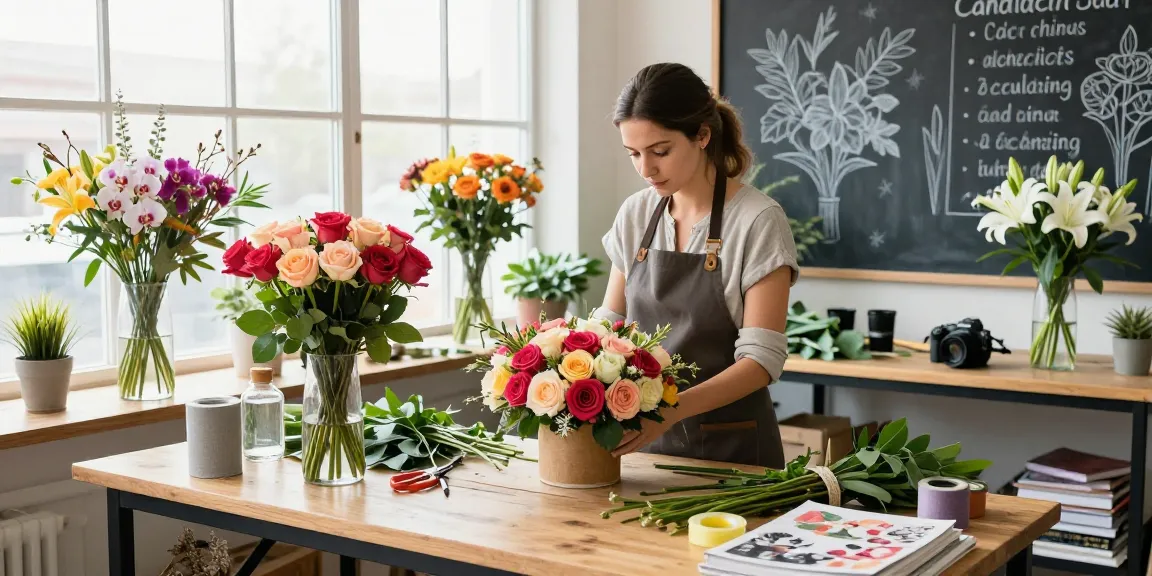
In floral arrangement, a slot can be defined as the specific spot or space where a flower or plant is placed within a bouquet or display. It involves a technique that optimizes the visual dynamics of the arrangement. A well-defined slot accommodates flowers of varying heights, shapes, and colors, allowing them to complement each other rather than compete for attention. This method not only promotes harmony but also enhances the overall structure of the design.
The Importance of Slotting in Floral Displays
Slotting plays a crucial role in floral displays for several reasons:
- Visual Balance: Proper slotting ensures that the arrangement appears well-balanced, drawing the viewer's eye naturally across the display.
- Enhancing Texture: By slotting flowers with different textures, designers can create depth and interest, making the arrangement more engaging.
- Longevity: Correct slotting allows for better spacing, which can improve air circulation around the flowers, helping them stay fresh longer.
Common Misconceptions About Slotting
Many people believe that floral slotting is only for professional designers, but this is a misconception. Anyone can learn to effectively slot flowers with practice and understanding. Another common myth is that slotting limits creativity; however, it actually enhances it by providing a foundational structure that can support more innovative designs.
Best Practices for Effective Floral Slotting
To achieve beautiful floral arrangements through slotting, it’s essential to adopt best practices. Here are some tips to help you create stunning slots:
How to Choose the Right Slot for Different Flowers?
Choosing the right slot for different flowers depends on various factors, including the flower type, size, and overall aesthetic you want to achieve. Consider the following:
- Height Variation: Taller flowers should be placed in slots that allow them to stand out, while shorter flowers are ideal for lower slots.
- Color Coordination: Use contrasting colors in slots adjacent to one another to create a vibrant display that catches the eye.
- Seasonal Considerations: Seasonal flowers may require different slotting techniques; for example, summer blooms often need more open slots for airflow.
Innovative Techniques for Creating Dynamic Slots
Innovation in floral design can often be achieved through experimenting with slotting techniques. Some techniques include:
- Layering: Create depth by layering flowers in various slots, utilizing their natural height and fullness.
- Angled Slotting: Instead of placing flowers straight up, angle them slightly to add movement and life to the arrangement.
- Incorporating Foliage: Use leaves and stems as part of the slotting process, allowing them to complement and enhance the flowers.
Step-by-Step Guide to Slotting Flowers
- Start by selecting your flowers and deciding on a color palette.
- Trim the stems at an angle to maximize water uptake.
- Begin by placing the focal flowers in the most prominent slots.
- Add secondary flowers around the focal points, ensuring to vary the heights.
- Fill in with foliage and smaller blooms to create fullness and texture.
- Step back to assess balance and make adjustments as necessary.
Challenges in Floral Slotting
While slotting is an essential technique, it is not without its challenges. Here are some of the common hurdles designers face:
Common Mistakes to Avoid When Slotting
Many beginners make mistakes that can detract from their arrangements. Common errors include:
- Poor Spacing: Flowers crammed too closely together can lead to wilting and reduce longevity.
- Neglecting Focal Points: Every arrangement should have a focal point; failing to establish this can make the design appear flat.
- Ignoring Flower Care: Not conditioning flowers before slotting can lead to premature wilting.
Overcoming Creative Blocks in Floral Design
Creative blocks are common in design; however, they can be overcome by:
- Seeking inspiration from nature or art.
- Trying new slotting techniques to stimulate creativity.
- Collaborating with other designers for fresh perspectives.
Analyzing Case Studies of Successful Floral Installations
Studying successful floral installations can provide valuable insights. For instance, examine the slotting techniques used in large events like weddings or corporate functions. Successful designers often utilize height variation and color blending to create dynamic displays, which can serve as an inspiration for personal projects.
Future Trends in Floral Slotting for 2026
As the floral design industry continues to evolve, several trends are emerging for 2026:
Emerging Styles in Floral Slotting
Designers are increasingly embracing sustainable practices, which influence slotting styles. Expect to see more natural, wildflower-inspired arrangements that utilize eco-friendly materials and the slotting of locally sourced flowers.
Technology's Impact on Floral Design Techniques
With advancements in technology, augmented reality (AR) and virtual reality (VR) are becoming essential tools for floral design. Designers can visualize slotting arrangements before physically creating them, allowing for more precise placements and creativity.
Predictions for Floral Design Innovations in 2026
As we look towards the future, innovations may include:
- Smart Flower Arrangements: Utilizing sensors to monitor water levels and flower health.
- Enhanced Slotting Systems: New techniques that allow for greater flexibility and creativity in arrangements.
- Incorporation of Non-Traditional Elements: Expect to see more use of unexpected materials in slotting to create unique textures and shapes.
Measuring Success in Floral Slotting
To ensure your floral designs are successful, measuring their effectiveness is key. Here are some metrics to consider:
Performance Metrics for Floral Arrangements
To evaluate your arrangements’ success, consider:
- Longevity: How long do the flowers stay fresh?
- Visual Appeal: Gather feedback from peers and clients.
- Sales Impact: For florists, analyze whether appealing arrangements lead to increased sales.
Client Feedback and Its Role in Improvement
Client feedback is invaluable; it helps identify what works and what doesn’t. Regularly gather input to refine your slotting techniques and overall design approach.
Tools for Evaluating Floral Design Effectiveness
Consider using the following tools to gauge your floral design success:
- Surveys: Use client surveys to gather insights on design preferences.
- Social Media Analytics: Monitor engagement on social media platforms to see which designs resonate most with your audience.
- Floristry Software: Utilize design software that allows for tracking sales related to specific arrangements.
What are the common tools used in floral slotting?
Common tools for floral slotting include floral foam, scissors, wire, and tape. These tools assist in stabilizing flowers and ensuring they stay in their designated slots.
How can I improve my floral arrangement skills?
Improving floral arrangement skills involves practice, education, and experimentation. Attend workshops, take online courses, and practice regularly to become more confident in your slotting techniques.
What trends should I watch in the floral industry?
Watch for trends in sustainability, technology integration, and the use of non-traditional materials. These elements are likely to shape the future of floral design and slotting practices.
How does slotting affect the longevity of floral arrangements?
Slotting affects the longevity of arrangements by ensuring flowers have adequate space for air circulation and water uptake, reducing the chances of wilting and decay.
What are the benefits of innovative floral design techniques?
Innovative techniques can lead to more eye-catching designs, greater client satisfaction, and increased demand for your floral creations, making it essential to stay updated with trends and practices.