Understanding AI-Powered Photography and Video Solutions
The landscape of photography and video creation is undergoing a profound transformation, thanks to artificial intelligence (AI). With tools that enhance creativity and streamline production processes, creators are empowered like never before. typeshutter.com stands at the forefront of this evolution, offering a platform that combines the power of AI with user-friendly interfaces to help you generate stunning visuals. This article delves into the significance of AI in the visual arts, exploring its impact on creativity, the challenges faced by artists, and the innovative features found on leading platforms like Typeshutter.
Defining AI-Powered Visuals and Their Impact on Creativity
AI-powered visuals involve the use of artificial intelligence algorithms to generate images and videos that can rival human creativity. This technology utilizes machine learning, neural networks, and data analysis to produce unique artworks, craft professional-grade photos, and even simulate creative styles of renowned artists. As a result, creators can explore new avenues of expression, breaking free from traditional limitations.
With tools capable of generating everything from hyper-realistic portraits to imaginative landscapes, AI empowers both seasoned photographers and novice creators. For instance, the AI character generator enables users to visualize concepts that may have previously existed only in their imagination. This has led to a renaissance in visual storytelling, where anyone can become an artist with access to powerful AI resources.
The Evolution of AI in Photography: Past, Present, and Future
The inception of AI in photography dates back to the early algorithms designed for image recognition and enhancement. Over the years, advancements in computing power and machine learning have catapulted AI into a new era, where it can now generate original content. In the present day, platforms like Typeshutter are utilizing these advancements to offer comprehensive AI solutions, making it possible to seamlessly transition from concept to creation.
Looking ahead, the future promises even greater integration of AI in the visual arts. As algorithms become more sophisticated, we can expect enhanced customization options, allowing for a deeper alignment with individual styles and preferences. Innovations like AI image to video conversions will redefine storytelling possibilities, making it easier for creators to produce cinematic experiences from static images.
How typeshutter.com Enhances Creative Processes with AI
At its core, typeshutter.com is a hub for creative exploration, providing tools that enhance the creative process. By leveraging AI, users can effortlessly generate visuals tailored to their needs. Whether you’re looking for a professional retouch of an image or a vibrant, AI-generated product photo, the platform equips creators with the tools necessary to bring their visions to life.
For instance, the AI portrait generator can transform a simple photo into an engaging piece of art, while advanced camera controls allow users to manipulate images in real-time, fostering a collaborative environment. As users create, they also have the opportunity to engage with a community of fellow creators, sharing insights and inspiration.
Common Challenges in AI Visual Creation
Misconceptions About AI Art Generation
Despite the growing popularity of AI in the creative sectors, misconceptions persist. Many people believe that AI-generated art lacks authenticity or emotional depth. However, it's essential to recognize that AI serves as a tool that complements human creativity rather than replacing it. By understanding how to effectively harness AI, creators can produce work that reflects their artistic vision while benefiting from the efficiency and innovation that AI offers.
Handling Copyright Issues with AI-Generated Content
Copyright concerns have emerged as a significant issue in the AI art space. As creators generate new works, questions surrounding ownership and intellectual property rights become pertinent. It's vital for users to familiarize themselves with copyright laws related to AI-generated content and to consult platforms like Typeshutter for guidance on maintaining compliance while respecting intellectual property rights.
Addressing Quality and Authenticity Concerns
Quality and authenticity are paramount for visual artists. As AI-generated images can sometimes appear artificial or lack nuance, creators need to approach their work with a critical eye. Tools that offer professional retouching features are indispensable in this context, allowing artists to refine AI-generated visuals to meet their quality standards. By blending AI capabilities with traditional techniques, users can achieve compelling and authentic representations of their ideas.
Key Features and Tools on typeshutter.com
Exploring AI Character and Image Generators
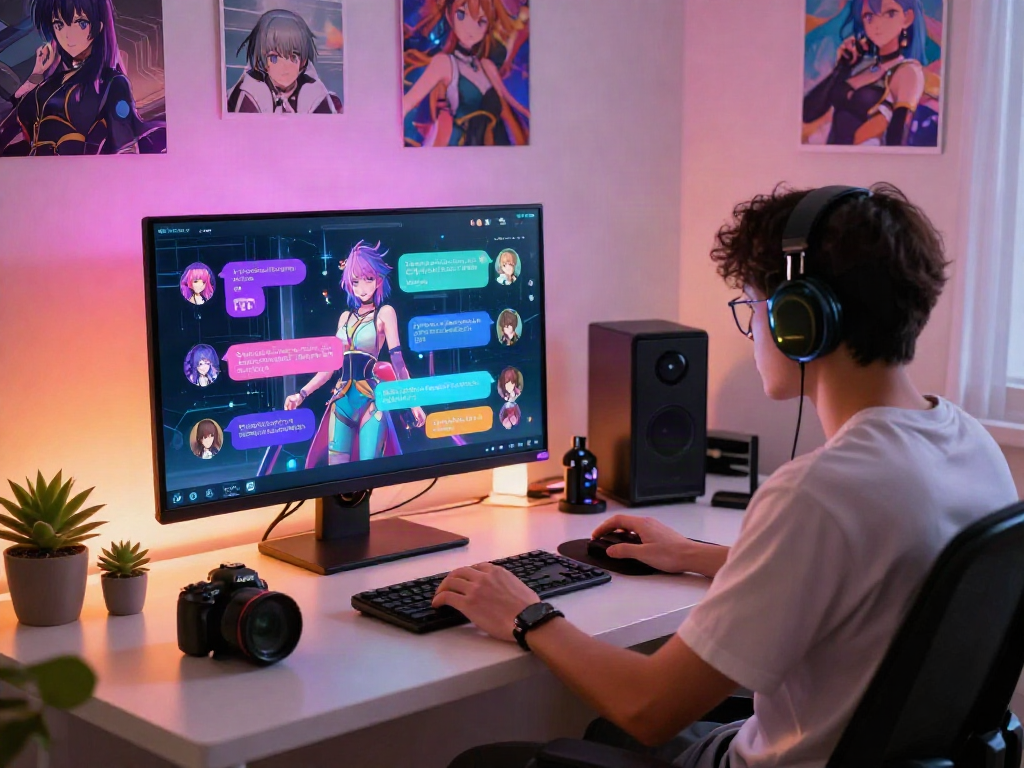
Typeshutter provides users with a variety of AI-powered generators designed to inspire and facilitate creativity. The AI character generator stands out by allowing users to develop unique characters based on specific traits or themes, which can be invaluable for creators in fields such as game design and storytelling.
Additionally, the AI image to video tool offers a seamless transition from still visuals to dynamic content, helping users tell their stories in multifaceted ways. This feature not only enhances the creative process but also broadens the scope of what visual content can achieve.
Professional Retouching Tools for Stunning Results
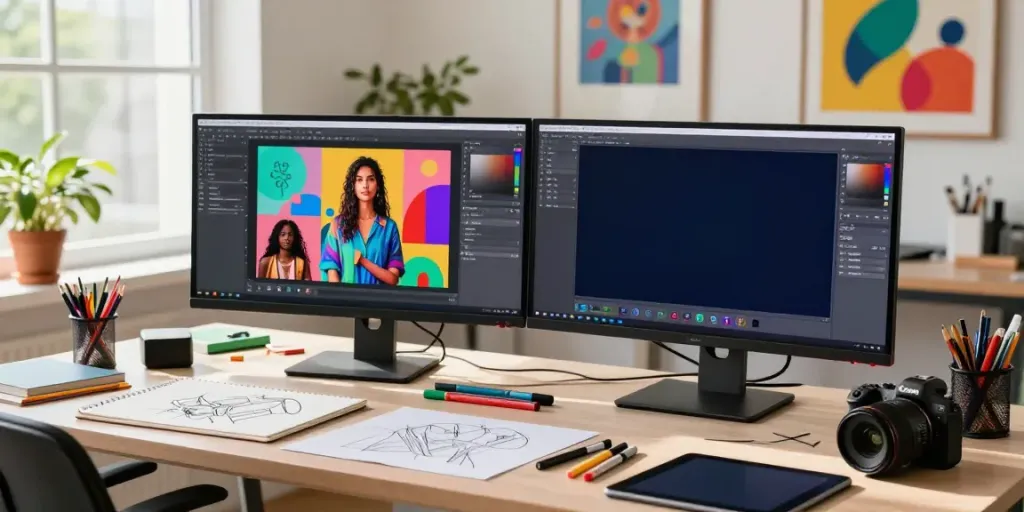
Typshutter’s professional retouch tools are designed to improve the quality of images significantly. These tools provide advanced functionalities, including skin smoothing, color correction, and lighting adjustments, ensuring that the final product meets professional standards. With these resources at their disposal, users can transform AI-generated visuals into polished works of art.
Community and Collaboration Opportunities in Visual Arts
Collaboration is a key aspect of the creative process, and Typeshutter embraces this by fostering a vibrant community of artists and creators. The platform provides spaces for users to share their work, give and receive feedback, and collaborate on projects. This community support not only enhances individual creativity but also encourages innovation and growth among peers.
Best Practices for Maximizing AI Visual Creation
Strategies for Effective Use of AI Tools in Photography
To maximize the benefits of AI-powered tools, creators should adopt a strategic approach in their workflows. Here are several best practices:
- Understand the capabilities: Familiarize yourself with the features and limitations of the AI tools you use to leverage them effectively.
- Blend traditional and modern techniques: Combine AI capabilities with traditional photography skills for the best results.
- Experiment and iterate: Don’t hesitate to try new techniques and iterate on your designs for continuous improvement.
Adapting Traditional Photography Skills to AI Technologies
While AI simplifies many aspects of visual creation, traditional photography skills remain crucial. Understanding composition, lighting, and storytelling will greatly enhance the effectiveness of AI tools. By integrating these skills with AI technologies, photographers can create more impactful and engaging visuals.
Guidelines for Ethical Use of AI-Generated Content
As AI-generated art becomes more prevalent, ethical considerations must be front and center. Creators should always acknowledge the contributions of AI and avoid misrepresenting the nature of their work. Transparency about the use of AI tools helps maintain the integrity of art and fosters a climate of trust within the creative community.
Trends and Predictions for AI in Visual Arts by 2026
The Future of AI-Driven Creativity and Innovation
The future holds exciting possibilities for AI in visual arts. As technology evolves, we can anticipate a rise in personalized content generation tailored to individual tastes and preferences, offering artists unique ways to connect with their audiences. Enhanced algorithms will allow for increasingly sophisticated outputs, pushing the boundaries of what's possible in visual creation.
Emerging Technologies Shaping Visual Content Creation
In addition to AI, trends like virtual reality (VR), augmented reality (AR), and blockchain are beginning to intersect with the visual arts. These technologies are likely to open new pathways for creativity, enabling more immersive and interactive experiences for viewers and creators alike.
Long-Term Effects of AI on Photography and Design Industries
As AI becomes more integrated into photography and design, the industry landscape will likely shift dramatically. More accessible tools will democratize visual creation, allowing individuals from diverse backgrounds to participate in the arts. This will lead to a broader range of voices and ideas being represented in visual media.
What Are the Most Popular AI Tools for Visual Creation?
Several AI tools are gaining traction in the visual arts community. Popular platforms often feature a combination of automated retouching, character generation, and video creation tools, providing a holistic suite for creators. Staying current with these innovations will be essential for artists looking to remain competitive in an ever-evolving field.
How Can I Start Using AI in My Photography Workflow?
Starting with AI tools in photography is easier than ever. Creators can begin by exploring platforms like Typeshutter that offer user-friendly interfaces and comprehensive tutorials. Engaging with the community and participating in discussions can also provide valuable insights and accelerate the learning curve.
Are AI-Generated Images Copyrighted or Free to Use?
Copyright issues surrounding AI-generated content depend on several factors, including the platform used for creation and the original data sets employed. Users should research the specific copyright policies applicable to their tools and always give credit where it's due to foster ethical practices in the industry.
What is the Best Practice for Collaborating with AI Artists?
When collaborating with AI artists, open communication and a clear understanding of each party's contributions and expectations are vital. Establishing guidelines for sharing credit and ensuring ethical use of generated content can lead to successful partnerships that push the boundaries of creativity.
How Will AI Change the Art Industry in the Coming Years?
The art industry is poised for a dramatic transformation due to AI. With tools becoming increasingly sophisticated, we can expect to see entirely new genres of art emerging, driven by unique AI capabilities. As artists embrace these technologies, the landscape of creativity will continue to evolve, opening up exciting possibilities for innovation and expression.