
Understanding the Benefits of RainPoint Wifi Systems
As homeowners and gardening enthusiasts continue to embrace technology, the demand for efficient irrigation solutions has surged. The RainPoint wifi irrigation systems stand out as a beacon of innovation, offering convenience and precision that traditional methods simply cannot match. With the ability to save water, promote healthier plant growth, and simplify garden maintenance, RainPoint products are revolutionizing the way we approach gardening and lawn care.
By integrating smart technology into everyday gardening tasks, users can easily monitor and adjust watering schedules from anywhere, making it an invaluable tool for modern plant caretakers. When exploring options, rainpoint wifi provides comprehensive insights into these game-changing irrigation solutions.
What is RainPoint Wifi Technology?
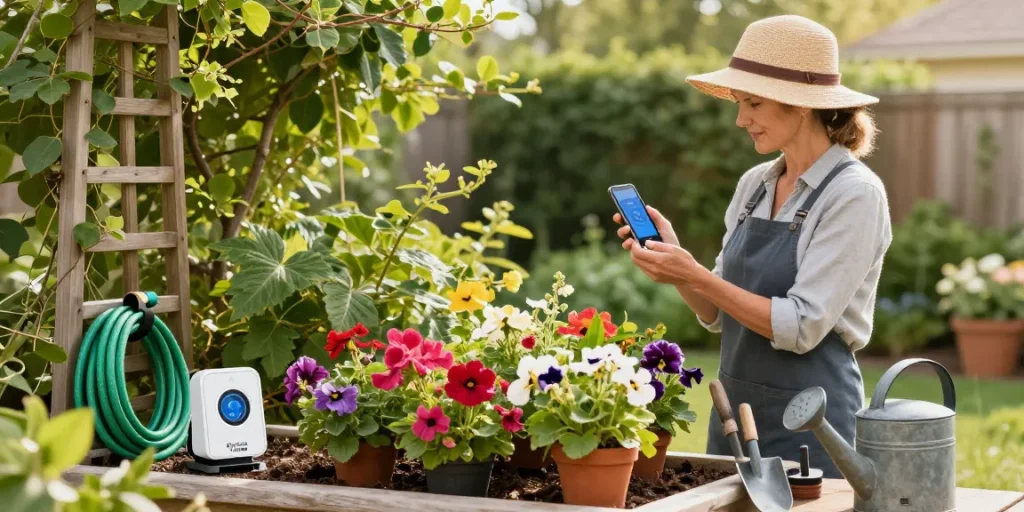
RainPoint wifi technology incorporates wireless connectivity into irrigation systems, allowing users to control their watering schedules and monitor water usage via a smartphone app. This innovative technology eliminates the need for manual timers and reduces the risk of overwatering or underwatering. The system can be set up to accommodate various plants and soil types, ensuring that every inch of your garden receives the attention it needs.
The RainPoint wifi irrigation systems feature real-time data monitoring, enabling users to track moisture levels and adjust irrigation settings accordingly. This adaptability ensures that your plants receive optimal care while conserving water resources.
Advantages of Smart Irrigation
The advantages of adopting smart irrigation systems like RainPoint are substantial:
- Water Conservation: Smart irrigation systems significantly reduce water waste by scheduling watering times based on real-time soil moisture data.
- Convenience: With apps that allow remote access to irrigation schedules, users can manage their gardens from anywhere, making it easy to travel without worrying about plant care.
- Customized Solutions: Users can tailor their watering setups based on specific plant needs, ensuring every plant is optimally cared for.
- Data-Driven Decisions: With precise data on water usage, users can make informed decisions about their watering habits and further improve efficiency.
Environmental Impact of Efficient Water Usage
Efficient water usage is not just beneficial for individual gardens; it also has a broader environmental impact. By reducing water waste, RainPoint systems contribute to sustainability efforts. Utilizing smart technology helps to preserve precious water resources, making it easier for gardeners to play their part in environmental conservation.
In addition to saving water, the efficiency of RainPoint systems results in healthier plants, which can act as carbon sinks, further benefiting the environment. The use of smart irrigation technology is an essential step towards sustainable living in gardening practices.
Setting Up Your RainPoint Wifi Irrigation System
Setting up your RainPoint wifi irrigation system is designed to be a straightforward process. The initial installation, connection to your home wifi network, and subsequent testing can typically be accomplished in just a few hours. Below is a step-by-step guide to get your system up and running smoothly.
Initial Installation Process Explained
To begin, unpack your RainPoint wifi timer and garden hoses. First, attach the timer to your outdoor water faucet. Then, connect your hoses as directed, ensuring that everything is tightly secured to prevent leaks. Following the manufacturer’s instructions will ensure a hassle-free setup, and you can typically find helpful resources and videos online if you run into any issues.
Connecting to Your Home Wifi Network
Next, download the RainPoint app on your smartphone. Once installed, follow the app’s instructions to connect the timer to your home wifi network. This process may require you to input your wifi credentials. Ensure that your wifi signal is strong in the area where the timer is installed for optimal performance. Users have noted that the initial connection can sometimes be tricky, but with patience, it usually connects without much hassle.
Testing and Calibrating Your System
After your timer is connected to the wifi, it’s essential to test the system to ensure that it’s working correctly. Run a test cycle to check for any leaks and confirm that the spray patterns of your hoses are as desired. Once you’re confident that everything is functioning properly, calibrate the system based on your plants’ specific needs, adjusting the settings according to soil moisture and plant types.
Maximizing Plant Growth with Smart Technology
With your RainPoint wifi irrigation system set up, it’s time to delve into how to maximize your plants’ growth through smart technology. By leveraging data-driven insights and precise control over watering schedules, you can create the perfect environment for your plants to thrive.
Data-Driven Watering Options
The ability to analyze data on your plants’ water consumption is a game changer. RainPoint units track moisture levels and provide notifications when it’s time to water, helping you avoid both over and under-watering. This innovation ensures that your plants receive the right amount of water at the right time, leading to healthier, more vigorous growth.
Adjusting Schedules for Optimal Plant Care
Another significant advantage of RainPoint systems is the flexibility in adjusting watering schedules. Users can easily modify watering times and frequencies based on seasonal changes, plant growth stages, or even weather conditions. For example, in the summer months, you might increase watering duration to accommodate higher evaporation rates, or conversely, reduce it during rainy periods.
Integrating Soil Sensors for Enhanced Monitoring
To take your smart irrigation system to the next level, consider incorporating soil sensors in conjunction with your RainPoint wifi timer. These sensors provide a real-time assessment of soil moisture, allowing for even more precise irrigation strategies. By preventing irrigation when soil moisture levels are adequate, you can conserve water and promote sustainable gardening practices.
Common Challenges with Smart Irrigation
While RainPoint wifi systems provide numerous benefits, users may encounter some challenges while using smart irrigation technology. Here are some common obstacles and how to overcome them.
Troubleshooting Wifi Connectivity Issues
Wifi connectivity can sometimes be a hurdle for users. If your system experiences connectivity issues, check the strength of your wifi signal in the garden area. Consider relocating your router or using a wifi extender if necessary to improve connectivity. It is also advisable to occasionally reset your unit and reestablish the connection to refresh the system.
Overcoming App Integration Roadblocks
Some users may find navigating multiple apps for different RainPoint devices challenging, particularly if they have both older and newer models. To streamline your experience, make sure to familiarize yourself with the specific app required for your devices, and try to set aside time to explore all available features.
Managing Battery Life and System Maintenance
The battery life of your RainPoint devices is essential to ensure consistent performance. Regularly check the battery levels and replace them when necessary. Additionally, routine maintenance of hoses and connectors will prolong the life of your irrigation system. Keeping the system clean and free of obstructions will also ensure optimal performance.
Future Trends in Smart Gardening and Irrigation
The future of gardening is undoubtedly intertwined with technological advancements. As we move towards 2026, several emerging trends are likely to change the landscape of smart gardening and irrigation.
Emerging Technologies to Watch in 2026
As the industry evolves, expect to see even more innovations in smart gardening. Technologies such as artificial intelligence (AI) and machine learning will play an increasingly significant role in personalizing plant care by analyzing vast amounts of environmental data. This will lead to more precise watering schedules and plant health assessments.
How AI Could Revolutionize Plant Care
AI-driven applications will be able to provide gardeners with tailored recommendations based on specific plant types and their unique needs. Future advancements may include predictive analytics to foresee plant stress or disease, enabling users to take proactive measures before issues arise. This level of care is unmatched and will transform the gardening experience.
Community Engagement in Smart Gardening Solutions
As smart gardening technology becomes more popular, community engagement will also rise. Creative individuals will share their experiences and knowledge, creating online communities focused on optimizing garden health. Platforms like the RainPoint Smart Irrigation Facebook group will facilitate discussion and support among users, enhancing their overall gardening experience.
Frequently Asked Questions
What are the advantages of using RainPoint wifi systems?
RainPoint wifi systems allow for precise water management, promote plant health, conserve water, and offer the convenience of remote monitoring and control.
How do I set up my RainPoint wifi irrigation system?
Setting up your RainPoint wifi irrigation system involves attaching the timer to your faucet, connecting hoses, and linking the system to your home wifi through the RainPoint app.
Can I monitor my plants remotely with RainPoint wifi?
Yes, RainPoint wifi systems allow for remote monitoring of your plants’ watering schedules through a smartphone application.
What challenges should I expect with smart irrigation?
Common challenges include wifi connectivity issues, managing multiple apps for different devices, and maintaining battery life.
What trends can we expect in smart gardening by 2026?
Expect the integration of AI and machine learning for personalized plant care, predictive analytics for disease prevention, and enhanced community engagement in smart gardening practices.