Understanding the Core Features of TradingView
TradingView is a powerful platform for traders, investors, and analysts seeking real-time market data across various asset classes. By integrating multiple functionalities into one interface, TradingView enhances trading efficiency and effectiveness. Its robust capabilities include advanced charting tools, customizable alerts, and seamless multi-device access, allowing users to engage with the markets anytime, anywhere. When exploring options, TradingView provides comprehensive insights into market trends and personal trading strategies.
What is TradingView and Its Main Functions?
TradingView serves as a comprehensive market analysis platform, catering to traders of all skill levels. It offers real-time data, extensive charting capabilities, and a community of like-minded individuals sharing insights and strategies. With features such as social networking elements, script development, and educational resources, TradingView empowers users to make informed trading decisions. This platform is designed to accommodate a wide array of financial instruments, including stocks, cryptocurrencies, forex, and commodities, making it a versatile tool for modern trading.
How TradingView Enhances Market Analysis
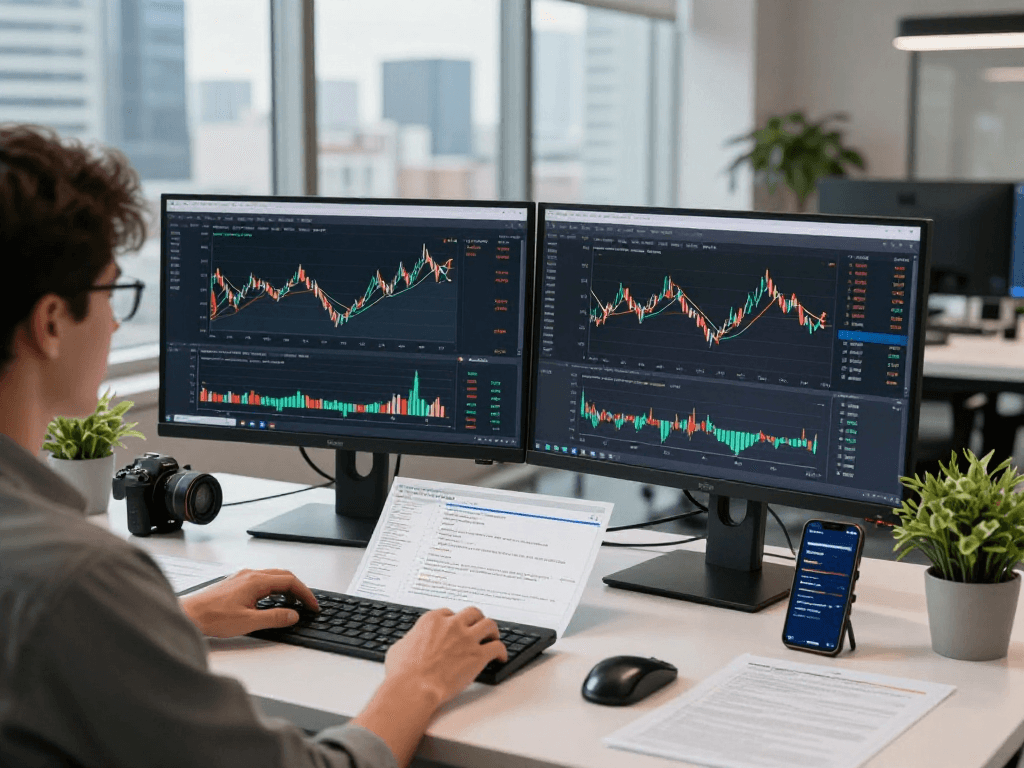
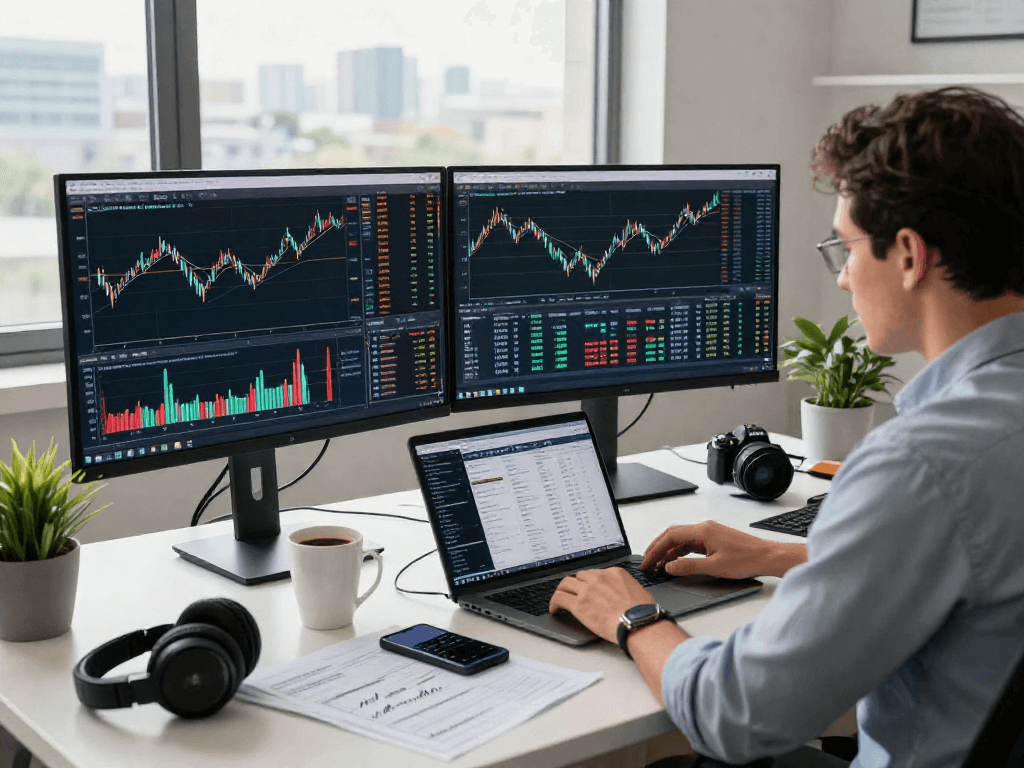
The platform's core strength lies in its sophisticated charting capabilities. Users can apply various technical analysis tools such as indicators, trend lines, and other drawing instruments to visualize market movements clearly. Additionally, with features like multi-timeframe analysis and the ability to compare different assets, traders can enhance their analytical skills and improve their market insights. TradingView's user-friendly interface further facilitates the customization of chart layouts, making it easier to manage multiple assets simultaneously.
Cross-Device Compatibility in TradingView
TradingView is designed with cross-device compatibility in mind, allowing traders to access their accounts from desktops, tablets, and smartphones. This feature ensures that users can effortlessly switch between devices without losing their progress or settings. Synchronization across platforms allows for a seamless user experience, whether traders are working at home, on the go, or at the office. Such flexibility is essential in today's fast-paced trading environment, where timing can be crucial.
Exploring TradingView's Charting Capabilities
Technical Analysis Tools Available in TradingView
One of the standout features of TradingView is its extensive range of technical analysis tools. Users can access over 100 built-in technical indicators, ranging from simple moving averages to more complex oscillators. Furthermore, the platform allows for the creation and application of custom scripts using Pine Script, enabling users to develop personalized indicators tailored to their specific trading strategies. This capability provides traders with unique insights and enhances their decision-making processes.
Creating Custom Chart Layouts for Efficient Trading
TradingView facilitates the creation of customizable chart layouts that can accommodate various trading styles. Traders can arrange multiple charts on a single screen, allowing them to monitor different markets or asset classes simultaneously. The flexibility to save and load different layouts ensures that users can switch between strategies seamlessly. This adaptability is particularly beneficial for high-frequency traders who require real-time data across multiple instruments.
Using Multiple Time Frames for Informed Decisions
Utilizing multiple time frames is a vital component of effective trading, and TradingView excels in this aspect. Users can analyze price movements across various durations—from seconds to months—enhancing their understanding of market trends. By comparing short-term movements with long-term trends, traders can make more informed decisions and develop well-rounded strategies that align with their trading goals.
The Importance of Alerts in TradingView
Setting Up Price and Condition Alerts
TradingView's alert system is designed to help users reduce the time spent monitoring the markets. Users can set up alerts based on price levels, technical conditions, or custom indicators, ensuring they are informed when significant market movements occur. These alerts can be delivered via email, SMS, or through the app, providing flexibility on how users wish to receive notifications. This feature is particularly valuable for traders who depend on precise entry and exit points to maximize their trading efficiency.
How Alerts Reduce Monitoring Time
The implementation of alerts significantly diminishes the need for traders to constantly watch the charts. By automating the monitoring process, users can focus on making decisions rather than simply waiting for specific price levels. This capability allows traders to allocate their time to strategy development and market research, fostering a more proactive trading approach.
Maximizing Alerts for Better Trading Decisions
To optimize the effectiveness of alerts, traders should consider personalizing their notifications based on their trading strategies and objectives. By setting alerts for multiple conditions, such as support and resistance levels or significant financial news, users can better align their actions with market movements. Effective alert management can lead to improved trading outcomes by ensuring timely and informed decisions.
Comparing Free and Paid TradingView Plans
Key Differences Between Free and Paid Features
TradingView offers multiple subscription levels, including a free version and several paid tiers. While the free plan provides access to basic features, including a limited number of indicators and chart layouts, upgrading to a paid plan unlocks advanced functionalities like additional indicators, real-time data from various markets, and enhanced customer support. Understanding these differences is crucial for users to select a plan that aligns with their investment goals and trading frequency.
Value for Money: Which Plan Is Right for You?
Choosing the right TradingView plan depends largely on individual trading needs and experience. Casual traders may find the free version sufficient for their requirements, while more serious traders or professionals will benefit from the advanced features available in paid plans. It’s important to evaluate factors like frequency of trading, level of analysis required, and budget to determine which option offers the best value for money.
Real-World Use Cases for Each Plan Tier
For instance, a beginner trader may utilize the free plan to familiarize themselves with basic charting tools and market analysis techniques. In contrast, a seasoned trader focusing on multiple assets and requiring real-time data might find the Pro version indispensable for maintaining competitiveness in the market. By assessing individual trading goals and patterns, users can select a plan that facilitates their trading success.
Future Trends in Trading Platforms: What to Expect in 2026
Emerging Technologies Impacting Trading
The trading landscape is rapidly evolving, with emerging technologies such as blockchain and machine learning playing a significant role in shaping future platforms like TradingView. As these technologies mature, they will likely provide new tools and insights, enhancing the overall trading experience. Understanding these trends will help traders prepare for changes that could impact their strategies and decisions.
Predictive Analytics and AI in TradingView
In the coming years, the integration of artificial intelligence and predictive analytics will likely revolutionize trading. TradingView is expected to incorporate these technologies, offering users advanced tools for forecasting market trends and behaviors. This evolution could provide traders with unprecedented insights, allowing them to leverage data-driven strategies for more successful trading outcomes.
Preparing for Changes in User Experience
As trading platforms evolve, user experience will remain a focal point. Enhancements in interface design, mobile accessibility, and feature integration will create a more cohesive trading environment. TradingView’s dedication to improving its platform will help users adapt to these changes smoothly while benefiting from continuous improvements in technology and functionality.
What Are the Prospects for TradingView Users?
The future looks promising for TradingView users as the platform continues to innovate. With the anticipated advancements in analytical tools and trading capabilities, users will enjoy enhanced functionality and insights that empower their trading decisions. Staying abreast of these developments will allow traders to maximize their potential on the TradingView platform as it grows and adapts to market needs.
How Will Regulatory Changes Affect Trading Platforms?
As trading platforms face regulatory evolution in various regions, it is essential for users to remain informed about how these changes may impact their trading activities. TradingView will continue to adapt its services in accordance with regulatory requirements, ensuring that users can navigate the complex landscape of compliance. Understanding these regulations can help traders strategize effectively while minimizing risk.