The Importance of Understanding Slot Risks in Culinary Ventures
Culinary ventures can be thrilling, offering creativity and the joy of flavors. However, with these delights come inherent risks associated with time and resource management, commonly referred to as slot risks. These risks can lead to inefficiencies, wasted ingredients, and ultimately disappointments, both in home kitchens and professional settings. Understanding slot risks is crucial for culinary enthusiasts and professionals alike to minimize potential pitfalls and enhance cooking experiences. By paying attention to how slots affect food preparation, cooks can streamline their processes, improve food safety, and elevate their culinary creations.
What are Slot Risks in Food Preparation?
Slot risks refer to the potential hazards that arise from inadequate time management, poor resource allocation, and ineffective workflow in culinary settings. These risks can manifest in various forms, including undercooked food, food safety violations, and ingredient spoilage. When kitchen tasks are not well-scheduled, the quality of the final dish may suffer, leading to customer dissatisfaction or health hazards. Identifying and understanding these risks is the first step toward mitigating them.
Potential Costs of Ignoring Slot Risks
Neglecting slot risks during food preparation can have dire consequences. The financial ramifications can include:
- Ingredient Waste: When food is prepared without regard for slot management, excess ingredients may spoil before use.
- Labor Inefficiencies: Mismanagement in scheduling can lead to overstaffing or understaffing, impacting the overall productivity of the kitchen.
- Customer Complaints: Failure to deliver dishes on time can lead to negative reviews and loss of clientele.
Ultimately, the prices of overlooking slot risks can far exceed the costs of implementing proper management techniques.
Common Misconceptions about Slot Management
One prevalent misconception is that slot management is only a concern for large-scale restaurants. In reality, home cooks can also fall victim to ineffective scheduling and improper resource management. Another common fallacy is the belief that precise time management stifles creativity; however, effective slot management can actually enhance creativity by allowing chefs to focus on flavor rather than juggling multiple tasks. Understanding these misconceptions is crucial for addressing slot risks effectively.
Identifying Slot Risks in Home Cooking
For home cooks, identifying slot risks is critical for achieving kitchen efficiency and safety. It's important to assess your kitchen setup, ingredient quality, and time management practices to mitigate these risks effectively.
Evaluating Your Kitchen Setup
The first step in managing slot risks is to assess the layout and organization of your kitchen. Poorly designed workspaces can lead to wasted time and effort. Consider the following tips:
- Ensure that all essential tools are within easy reach.
- Organize ingredients by type to facilitate quick access.
- Create dedicated zones for preparation, cooking, and plating.
Ingredient Quality and Food Safety Concerns
Using quality ingredients is paramount, as subpar items can compromise the final dish and contribute to food safety risks. Always check for:
- Expiration dates on perishable items.
- Signs of spoilage, such as discoloration or off odors.
- Proper storage conditions to maintain freshness.
Time Management: Cooking with Precision
Effective time management is essential when it comes to slot risks. To optimize your cooking process, consider:
- Planning meals ahead of time to avoid last-minute rushes.
- Using tools like timers and kitchen apps to stay on schedule.
- Preparing ingredients in advance to streamline cooking time.
Best Practices for Mitigating Slot Risks
Implementing best practices in your kitchen can significantly reduce slot risks. By streamlining ingredient use and creating cooking schedules, you can enhance your culinary productivity.
Streamlining Your Ingredients and Equipment
Prioritize the use of fresh ingredients by simplifying your pantry. Rotate items regularly and utilize versatile ingredients that can be used across various recipes. Additionally, ensure your equipment is maintained and readily available:
- Regularly check and clean your appliances.
- Keep essential tools organized to avoid unnecessary delays.
Creating a Cooking Schedule for Efficiency
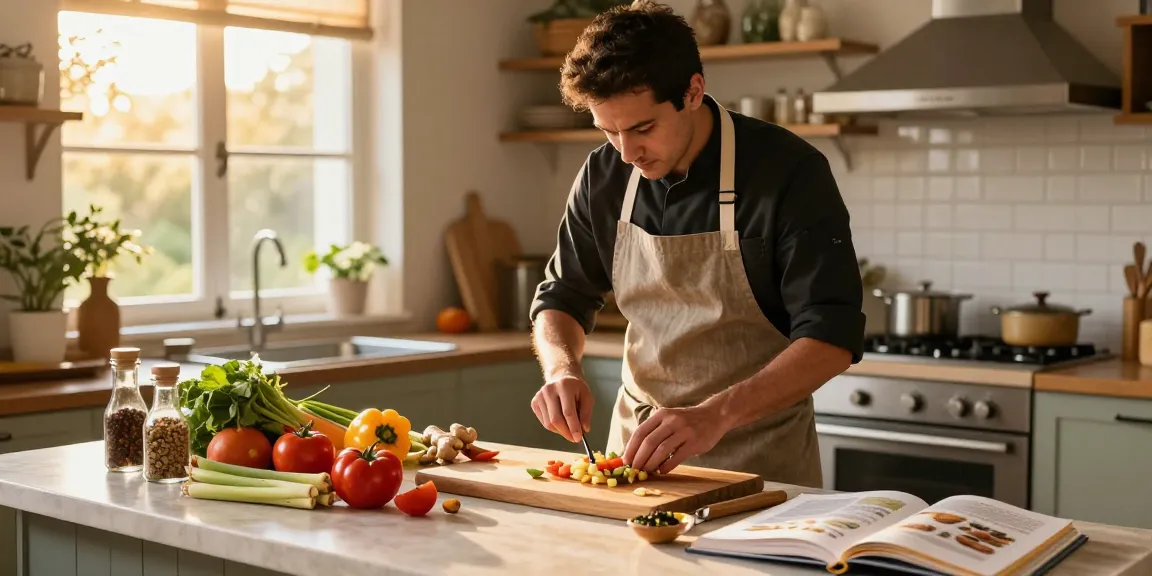
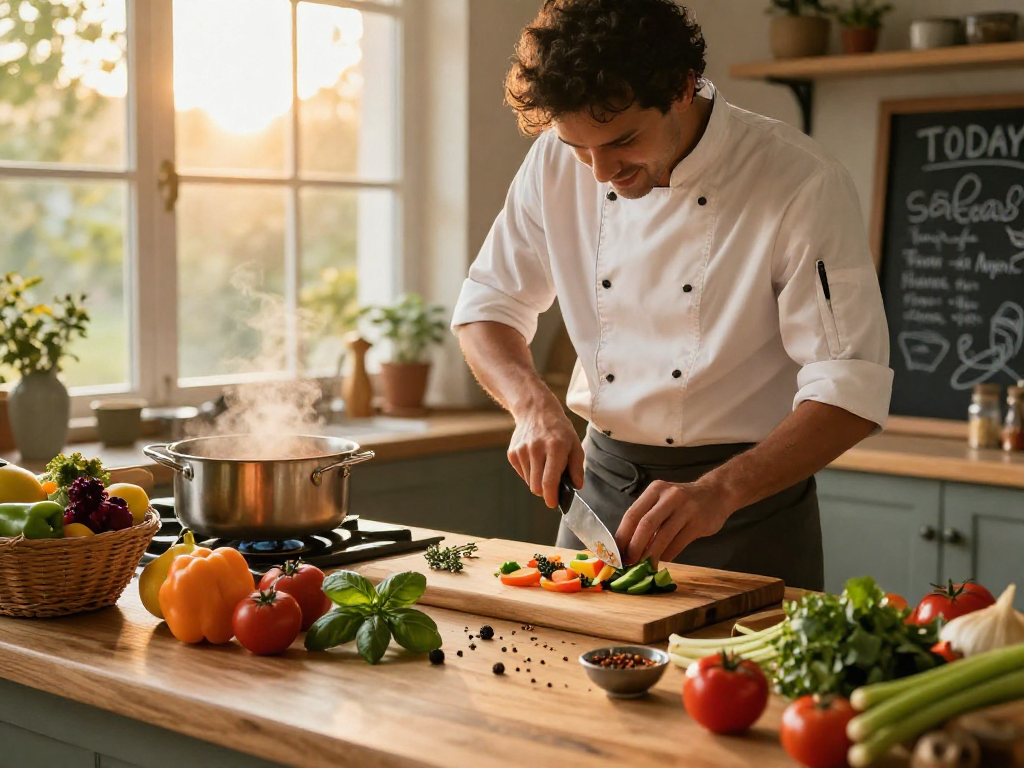
A well-structured cooking schedule can help maximize efficiency. Consider using meal planning to determine when to prep and cook different components of your dishes. For instance, setting aside specific times for chopping vegetables or marinating proteins can lead to a more organized cooking experience.
Implementing Food Safety Protocols
Adhering to food safety protocols is critical in mitigating slot risks. Always practice:
- Proper handwashing techniques.
- Safe food handling and storage practices.
- Using separate cutting boards for meats and vegetables to avoid cross-contamination.
Real-World Examples of Successful Slot Management
Learning from the experiences of others can provide valuable insights into effective slot management. Here are a few illustrative case studies.
Case Studies of Professional Chefs
Many professional chefs have adopted innovative scheduling techniques that showcase the importance of slot management. For example, Chef Maria Rodriguez implemented a strict timeline for her kitchen staff, resulting in a 30% increase in productivity during peak dinner hours.
Home Cook Transformations
In the home cooking realm, consider the story of John, a hobbyist cook who revamped his kitchen organization. By decluttering and reorganizing his workspace, he reduced his prep time significantly, allowing him to experiment with new recipes and flavors.
Lessons Learned from Culinary Failures
Conversely, there are numerous tales of culinary failures attributed to poor slot management. A popular food truck owner once faced shut down for multiple health violations due to inadequate food storage practices, emphasizing the critical need for food safety procedures.
Future Trends in Slot Management for Culinary Professionals
As the culinary industry evolves, future trends are beginning to shape the landscape of slot management. Staying ahead of these trends can provide a competitive edge for culinary professionals.
Innovative Techniques in Meal Preparation
Emerging techniques such as sous vide and pressure cooking are redefining meal preparation. These methods not only save time but also enhance the flavors and textures of ingredients, thereby allowing chefs to produce exquisite dishes efficiently.
Emerging Food Safety Regulations for 2026
With 2026 approaching, new food safety regulations are likely to emerge. Staying informed about these changes will be essential for culinary professionals looking to maintain compliance and ensure the safety of their food products.
Technology's Role in Enhancing Cooking Efficiency
Technology is becoming increasingly integral to kitchen management. From smart appliances that monitor cooking times to apps that streamline meal prep, embracing technology can significantly enhance slot management in culinary settings.
What are Slot Risks for Today's Chefs?
For today's chefs, slot risks often revolve around time mismanagement and improper ingredient handling. Recognizing these challenges is the first step toward developing effective solutions.
How Can I Reduce Slot Risks in My Cooking?
You can develop a comprehensive approach that emphasizes organization, quality sourcing, and technology integration. This holistic strategy will help mitigate risks associated with slot management effectively.
Are There Specific Tools to Help Manage Slot Risks?
Yes, various tools such as meal planning apps, timers, and inventory management systems can assist cooks in better understanding and managing their slot risks.
What Trends Should Chefs Watch in Slot Management?
Chefs should keep an eye on trends such as sustainable ingredient sourcing, advances in kitchen technology, and the ongoing evolution of food safety regulations.
How Does Slot Management Impact Culinary Creativity?
Contrary to popular belief, effective slot management can enhance culinary creativity by allowing chefs to allocate more time to experimentation rather than fixing last-minute mishaps. Achieving a well-balanced workflow can pave the way for innovative cooking.