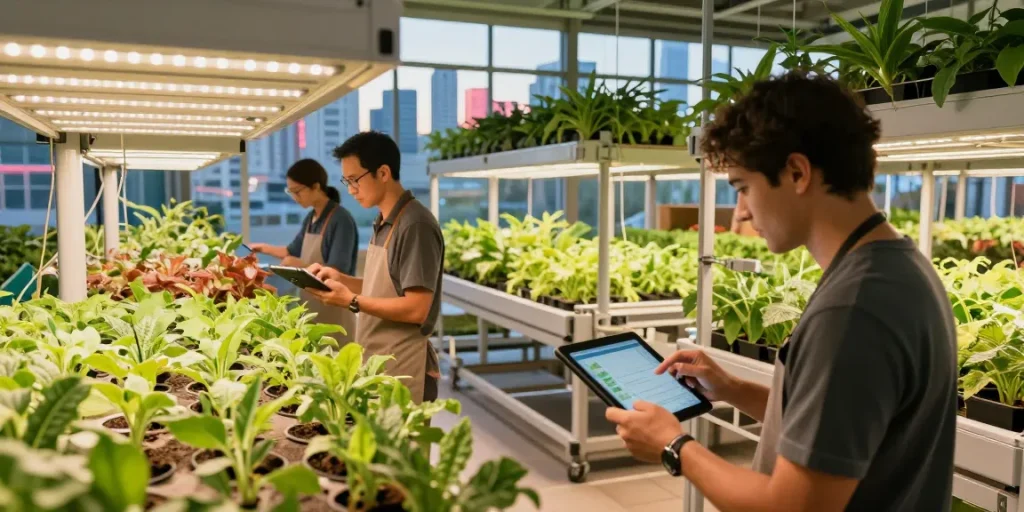

Understanding the cika4d Slot in Indoor Agriculture
The rise of indoor agriculture has transformed the way we think about food production and its sustainability. One of the most exciting innovations in this sector is the integration of the cika4d slot, which enhances operational efficiency and optimization of growing environments. This article delves into what the cika4d slot entails, its significance in indoor farming, current trends in technology, and how to effectively implement this strategy to ensure productive, sustainable yields.
What is cika4d Slot?
The term “cika4d slot” refers to a specific design and technological application used in indoor agriculture that allows for efficient installation of systems crucial for plant growth. This includes advanced control mechanisms for lighting, climate, and irrigation, presenting an integrated solution tailored for controlled environment agriculture. By utilizing this framework, growers can ensure optimal growing conditions that significantly increase productivity while reducing resource waste.
Importance in Indoor Farming
As the demand for locally sourced, fresh produce continues to grow, the importance of innovations like the cika4d slot in indoor farming cannot be overstated. This system allows farmers to maximize their use of space and resources while ensuring that plants receive the precise conditions they need to thrive. With features that support precision agriculture, including data analytics and real-time monitoring, growers can make informed decisions that lead to enhanced yields and sustainability.
Current Trends and Technologies
The integration of AI and IoT technologies into the cika4d slot framework represents a significant trend. These technologies facilitate real-time monitoring of environmental conditions and automate responses to changes. For instance, sophisticated sensors can detect humidity levels, temperature fluctuations, and light intensity, allowing systems to adjust automatically, ensuring optimal conditions for crop growth.
Challenges and Misconceptions About Indoor Agriculture
Despite the numerous benefits associated with indoor agriculture, several misconceptions and challenges persist, particularly regarding the cika4d slot and its implementation. Addressing these challenges head-on is crucial for stakeholders looking to enter or expand within this field.
Common Obstacles in Implementation
Implementing the cika4d slot can present various challenges, such as high initial setup costs and the need for advanced technical knowledge to operate sophisticated systems. Additionally, ensuring energy efficiency can be daunting, given the energy-intensive nature of indoor farming technologies. However, these barriers can be overcome with proper planning and investment.
Addressing Misconceptions around cika4d
Common misconceptions include the belief that indoor agriculture is only suited for large-scale operations. However, the cika4d slot can be customized for any scale, whether for hobbyists or commercial grow operations. Educating potential users about its versatility and economic viability is essential for wider adoption.
Real-World Examples of Success Stories
Numerous farms have successfully implemented the cika4d slot, showcasing its potential. For example, a vertical farm in the urban landscape of Singapore utilized this technology to produce leafy greens sustainably. Their ability to maximize space and minimize water usage has set a precedent for other growers in similar environments.
Best Practices for Implementing the cika4d Slot
To harness the full potential of the cika4d slot, following best practices is imperative. Successful implementation hinges on a clear understanding of the system and a structured approach.
Step-by-Step Guide to Setup
- Assess your space and define your goals.
- Select suitable crops based on market demand and environmental conditions.
- Invest in the appropriate technology for climate control, lighting, and irrigation.
- Utilize data analytics for real-time monitoring and adjustments.
- Evaluate the system’s performance regularly for continuous improvement.
Key Performance Metrics to Track
To measure the success of the cika4d slot implementation, several key performance metrics should be monitored including:
- Crop yield per square foot
- Energy consumption per crop cycle
- Water usage efficiency
- Growth rate of plants
Energy Efficiency Strategies
Implementing energy-efficient practices is crucial for any indoor agriculture system. Strategies such as using LED grow lights, optimizing HVAC systems, and incorporating renewable energy sources can significantly reduce operational costs.
Case Studies: Successful Indoor Agriculture Projects
Several indoor agriculture projects have effectively incorporated the cika4d slot, yielding impressive results and valuable insights for the industry.
Project Showcase: Optimizing Yield with cika4d
One notable project is an urban indoor farm in Europe that integrated the cika4d slot into its operations. With a comprehensive approach that included environmental monitoring and automation, they achieved a yield increase of 30% within the first year, demonstrating the effectiveness and efficiency of the system.
Lessons Learned from Industry Leaders
Industry leaders emphasize the importance of continuous education and adaptation when utilizing the cika4d slot. Engaging in community forums, participating in workshops, and staying abreast of emerging technologies are vital for ongoing success.
Future-Proofing Your Indoor Farm
To ensure longevity and competitiveness in the market, farms adopting the cika4d slot should prioritize flexibility in their systems. This adaptability allows for quick responses to market changes and technological advancements, securing a resilient business model.
Future Outlook: Innovations and Trends for 2026
Looking towards the future, the landscape of indoor agriculture is expected to evolve dramatically. Innovations and trends will shape the way farms operate and deliver produce to markets.
Emerging Technologies in Indoor AG
As we approach 2026, emerging technologies such as advanced robotics, AI-driven analytics, and improved genetic engineering for crops will likely dominate the scene. These advancements will enhance the scope and efficiency of the cika4d slot framework, making it even more vital for indoor agriculture.
Predictions for the Future of cika4d
Experts predict that the cika4d slot will continuously adapt, integrating more advanced technologies that allow for even smarter farming solutions. The focus on sustainability will drive innovation in energy usage and waste reduction, making it an essential part of future agricultural strategies.
How to Stay Ahead in Indoor Agriculture
In order to remain competitive, stakeholders in indoor agriculture should maintain a proactive approach by investing in research and development, fostering partnerships with technology providers, and engaging with their local communities to educate consumers about sustainable practices.
What is the cika4d slot?
The cika4d slot is a technology-driven approach to indoor farming that enables precise control over environmental conditions, optimizing growth and resource use.
How can cika4d enhance indoor agriculture?
By providing sophisticated systems for monitoring and management, the cika4d slot improves efficiency, reduces waste, and enhances yield outputs.
What are the benefits of using cika4d in farming?
The benefits include increased productivity, better resource management, enhanced sustainability, and the capability to adapt to various planting environments.
How do I get started with the cika4d slot?
Beginning your journey with the cika4d slot involves thorough research, investing in the necessary technologies, and establishing a well-structured growing space that can be monitored effectively.
What challenges should I expect with cika4d?
Challenges may include initial costs, the complexity of technology, and the ongoing need for maintenance and updates to stay on top of advancements in indoor agriculture.