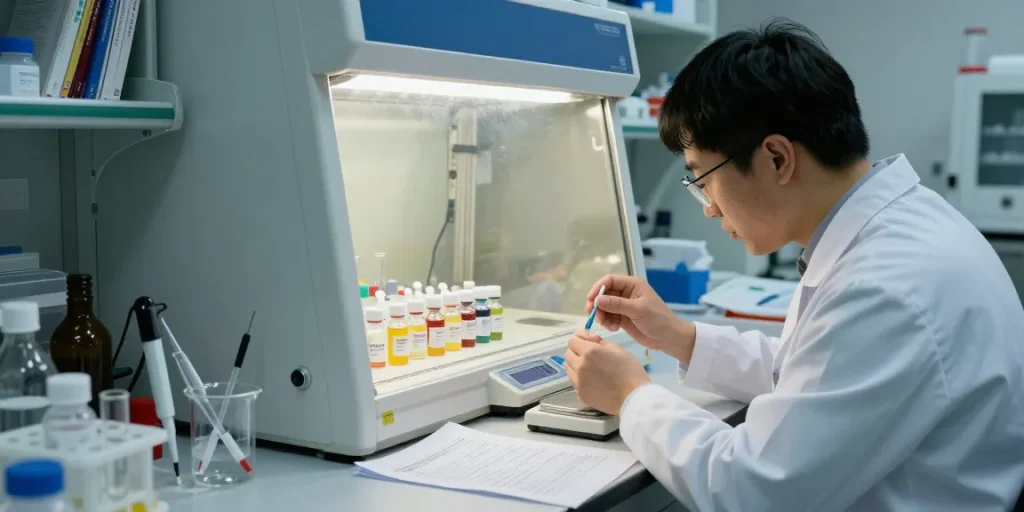

- Understanding Lyophilized Peptide Vials and Their Importance
- Best Practices for Storage and Handling of Lyophilized Peptides
- Innovative Research Applications Using Lyophilized Peptide Vials
- Evaluating Quality Standards of Lyophilized Peptide Vials
- The Future of Lyophilized Peptide Vials in Scientific Research
Understanding Lyophilized Peptide Vials and Their Importance
In the realm of scientific research, the efficacy and reliability of experimental results hinge significantly on the quality of the materials utilized. Among these, lyophilized peptide vial play a crucial role. These specialized vials offer researchers a stable and versatile medium to store peptides, which are vital in various biological and biochemical applications. Understanding what these vials are and their benefits can enhance the quality of research outcomes.
What are Lyophilized Peptide Vials?
Lyophilized peptide vials contain peptides that have undergone a freeze-drying process, allowing them to be stored in a dehydrated state. This method preserves the integrity of peptides by removing moisture, which can lead to degradation and loss of biological activity. Upon reconstitution with a suitable solvent, these peptides regain their functional properties, making them ready for experimental use.
Benefits of Using Lyophilized Peptide Vials in Research
There are several advantages to utilizing lyophilized peptide vials in scientific research:
- Extended Shelf Life: The freeze-drying process significantly extends the shelf life of peptides, allowing researchers to store their compounds for extended periods without losing potency.
- Convenience: Lyophilized vials are compact and easy to transport, making them ideal for labs that require mobility and flexibility in their research settings.
- Controlled Reconstitution: Researchers can reconstitute peptides with precision, ensuring that the exact concentration is achieved for each experiment.
- Cost-Effective: By purchasing lyophilized peptide vials, labs can reduce waste and minimize costs associated with peptide degradation over time.
Key Factors Impacting Lyophilized Peptide Efficacy
The efficacy of lyophilized peptides can be influenced by several factors, including storage conditions, handling procedures, and the quality of the peptide itself. Ensuring that vials are maintained in an optimal environment is critical for preserving their intended functionality.
Best Practices for Storage and Handling of Lyophilized Peptides
Optimal Storage Conditions for Peptide Vials
To maintain the integrity of lyophilized peptide vials, researchers should adhere to specific storage conditions:
- Temperature Control: Store at recommended temperatures, typically between -20°C and -80°C. Avoid fluctuations in temperature that could affect the peptide structure.
- Humidity Control: Ensure that storage environments are low in humidity, as moisture can introduce the risk of peptide degradation.
- Light Protection: Peptides may be sensitive to light. Store vials in opaque containers or dark environments to prevent photo-degradation.
Safe Handling Procedures for Researchers
Proper handling of lyophilized peptide vials is essential to ensure safety and efficacy:
- Use Protective Equipment: Always wear gloves and safety goggles when handling peptide vials to minimize risk and contamination.
- Minimize Exposure: Limit the time lyophilized peptides spend outside controlled environments to prevent moisture absorption.
- Follow Manufacturer Guidelines: Adhere to any specific recommendations provided by manufacturers regarding handling and reconstitution.
Understanding Shelf Life and Expiry Dates
Researchers should be aware of the shelf life indicated on peptide vials. This is typically based on stability studies conducted by manufacturers. Always check the expiration date and avoid using expired peptides, as this can lead to unreliable experimental results.
Innovative Research Applications Using Lyophilized Peptide Vials
Multi-Compound Studies: Enhancing Experimental Design
Lyophilized peptide vials can facilitate complex experimental designs through multi-compound studies. By combining various peptides, researchers can investigate the synergistic effects of different compounds, leading to insights that single-compound studies may not reveal.
Pathway Comparison Research for Advanced Insights
Pathway comparison research benefits from the use of lyophilized peptides, as researchers can utilize multiple peptides to analyze their effects on different signaling pathways. This can be particularly useful in understanding disease mechanisms and developing targeted therapies.
Complementary Mechanism Research Examples
Complementary mechanism research often involves the pairing of peptides that work synergistically. For instance, utilizing a GHRH analog alongside secretagogue analogs can provide deeper insights into growth hormone regulation and its physiological roles.
Evaluating Quality Standards of Lyophilized Peptide Vials
Importance of HPLC Verification for Purity
High-performance liquid chromatography (HPLC) is the gold standard for verifying the purity of peptides. Ensuring that each peptide in a lyophilized vial has been HPLC-verified to ≥99% purity is crucial for maintaining research integrity and reliability.
Interpreting Certificates of Analysis (COA)
Certificates of Analysis (COA) provide essential information on the quality and purity of peptides. Researchers should carefully review COAs for each batch of lyophilized peptides, paying close attention to mass deviation and the final blend ratio, as these factors can influence experimental outcomes.
Industry Standards for Quality Control
Adhering to industry standards for quality control is imperative for researchers. This includes compliance with good manufacturing practices (GMP) and other regulatory guidelines that ensure the integrity and safety of research products.
The Future of Lyophilized Peptide Vials in Scientific Research
Emerging Trends in Peptide Research for 2026
The future of lyophilized peptide vials is promising, with ongoing advancements in peptide synthesis and characterization methods. Innovations in automated synthesis and purification processes are likely to enhance production efficiency and broaden the scope of research applications.
Impacts of Technological Advances in Peptide Synthesis
Technological advancements, such as machine learning and AI, are transforming the landscape of peptide research. These tools can optimize peptide design and predict biological activity, leading to faster development of therapeutics and improved research outcomes.
Regulatory Considerations for Research Applications
As the field of peptide research evolves, so too do the regulatory frameworks governing the use of these substances. Researchers must stay informed about changes in regulations to ensure compliance and safeguard against illicit practices.
What are the key benefits of using lyophilized peptides?
Lyophilized peptides offer long shelf life, ease of transport, and controlled reconstitution, making them ideal for laboratory settings.
How should lyophilized peptide vials be stored?
Store lyophilized peptide vials in a cool, dry place, away from light, and follow manufacturer guidelines for optimal conditions.
What quality standards should I look for in peptide vials?
Look for HPLC verification of ≥99% purity and review the COA for each batch to ensure compliance with industry standards.
How do I ensure the safety of handling peptide research substances?
Use appropriate protective equipment and follow established protocols for safe handling and storage of peptide vials.
What future developments are expected in peptide research?
Expect advancements in peptide synthesis technologies, AI-driven design, and evolving regulatory frameworks to enhance research integrity and outcomes.